
Why One Keyboard Does Not Fit Every Employee
Meta let employees choose their keyboard size, switches and design. Here’s how personal choice turned a standard company gift into something that felt genuinely theirs.
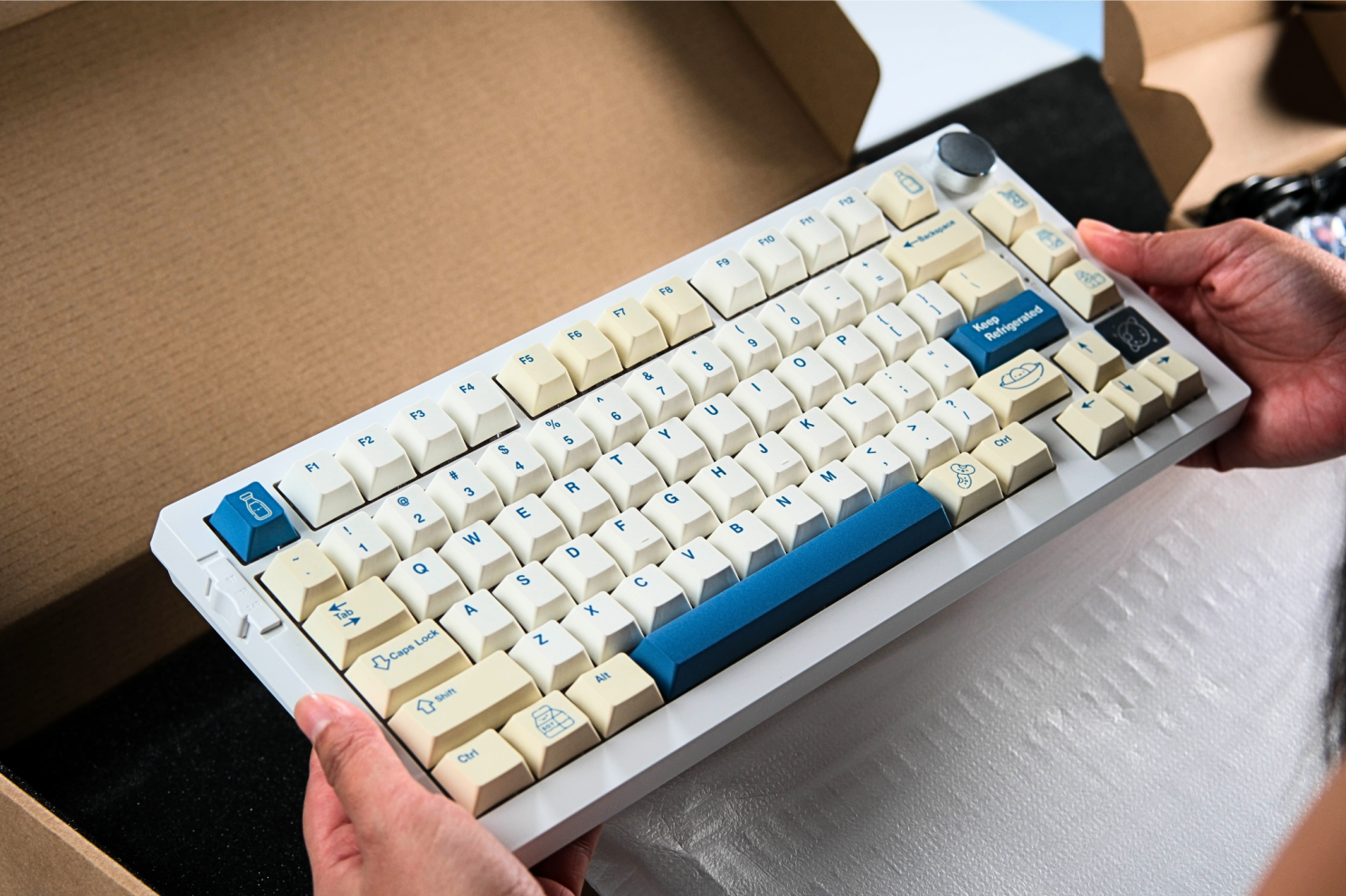
What If Employees Could Choose?
A custom Meta team project shows how guided choice can make employee equipment feel personal without making procurement unmanageable.
Standardization makes corporate purchasing easier. One product is selected, one specification is approved, and the same item is distributed to everyone.
That approach is efficient, but it also assumes that everyone wants to work in the same way.
A keyboard makes that assumption especially visible. People differ in the amount of desk space they have, the layouts they prefer, the sound and feel they enjoy, and the way they want their setup to look. An identical keyboard may be a good fit for one employee and an uncomfortable compromise for another.
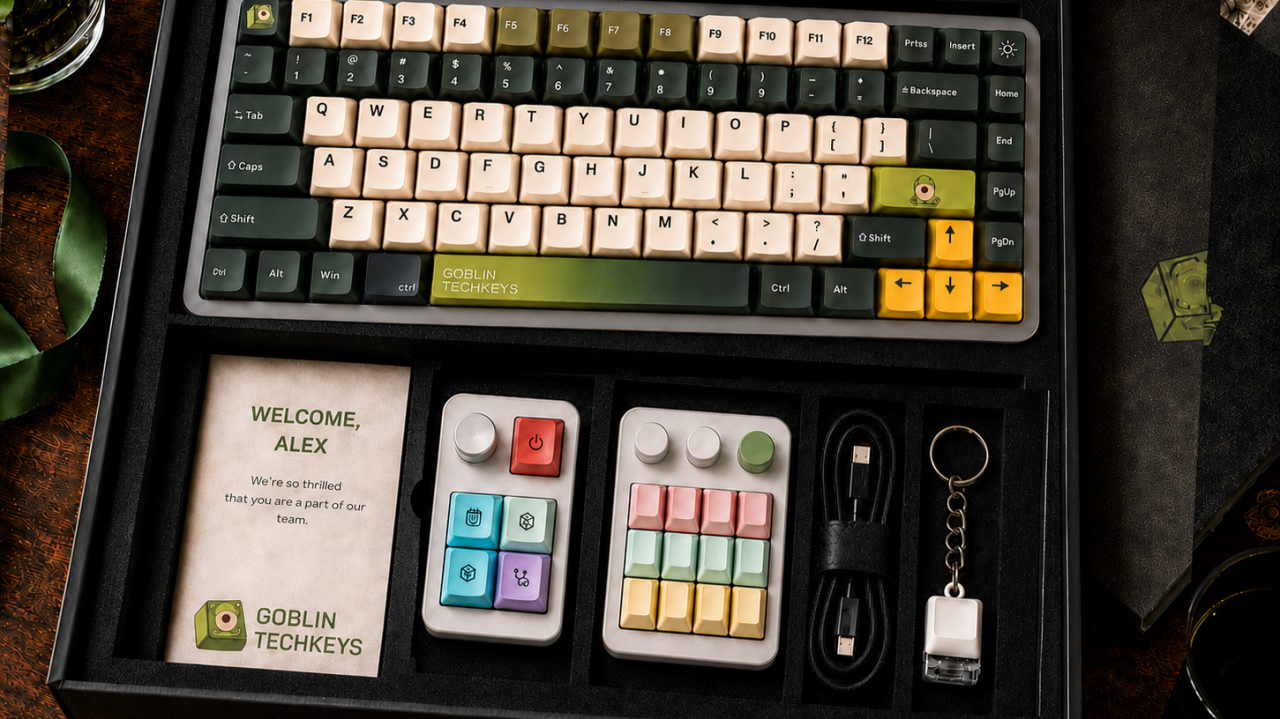
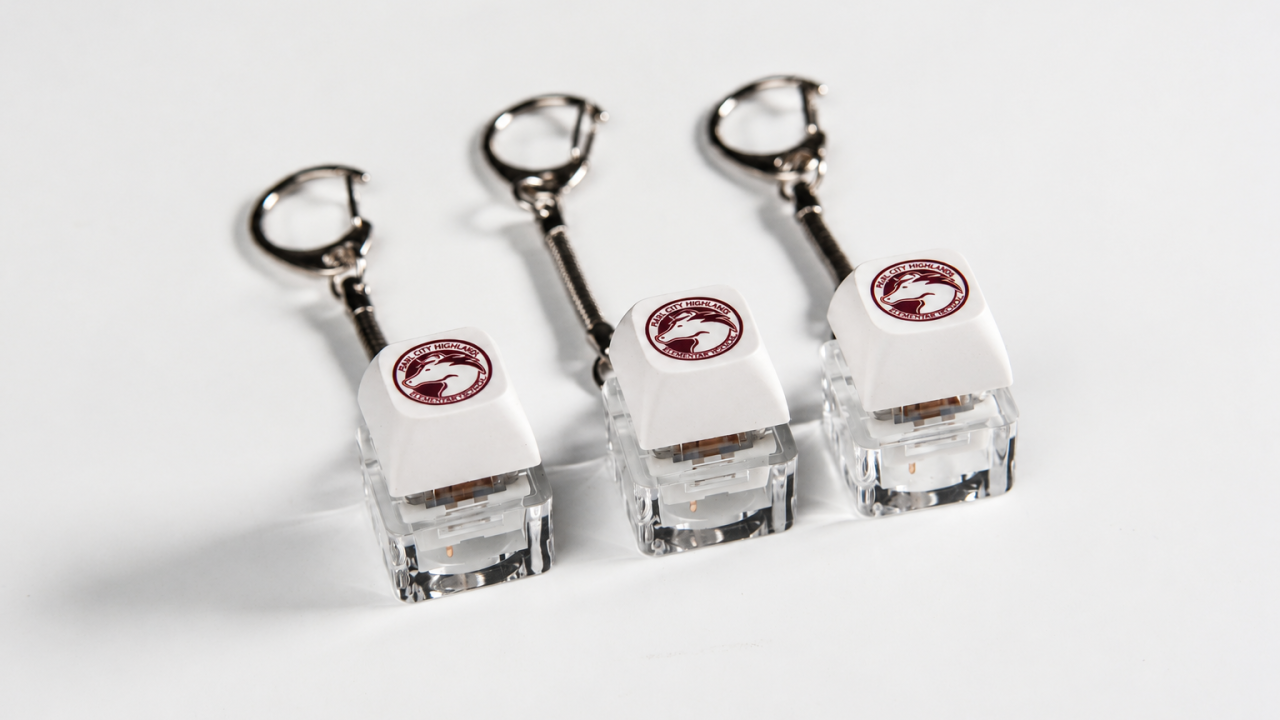
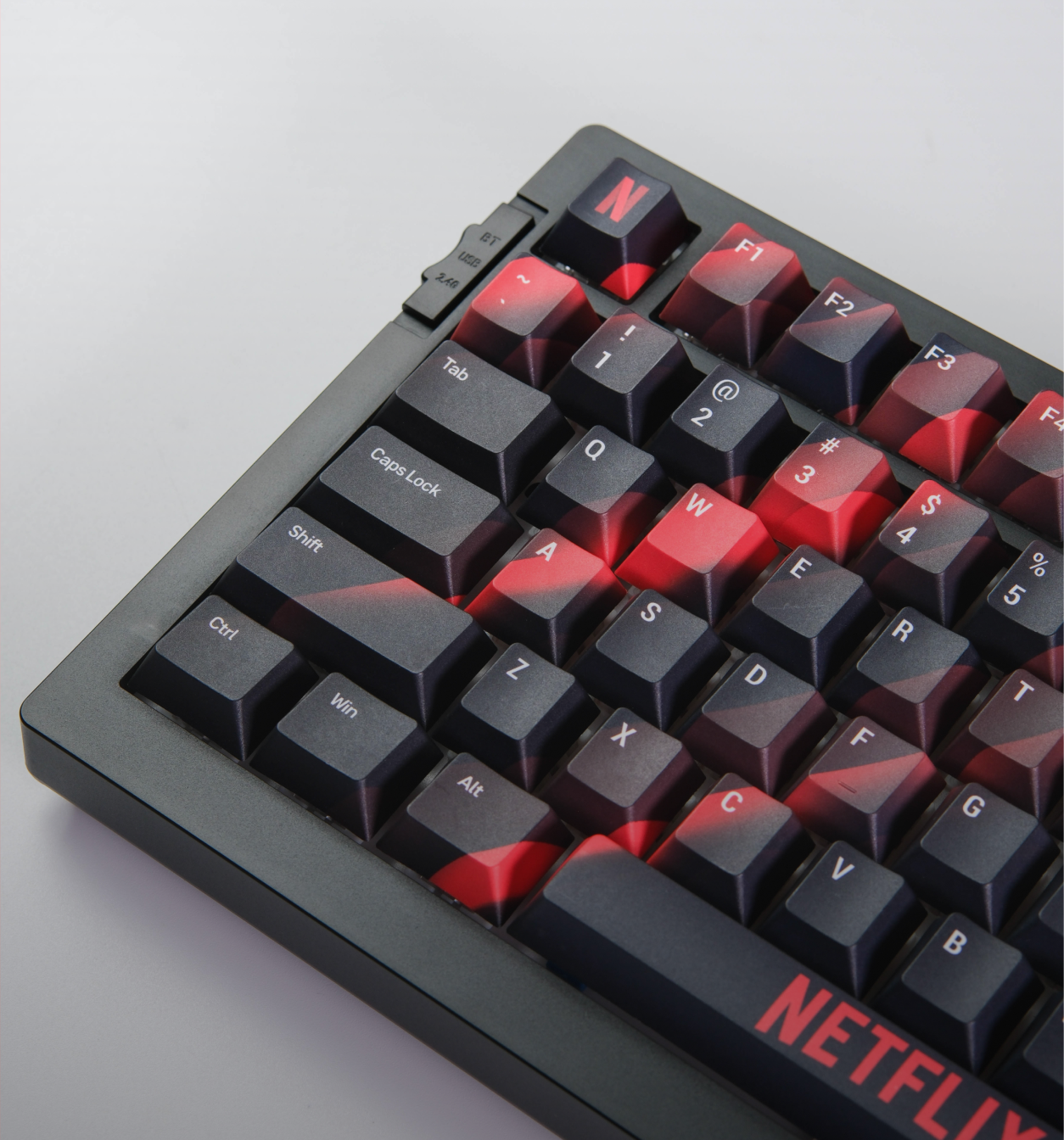
When Meta approached us for a team keyboard project, the brief took a different direction. Instead of choosing one finished keyboard for the entire group, employees were given a structured set of choices. They could select their preferred keyboard size, switches and overall design. Each completed keyboard was then packed in a gift box labeled with the recipient’s name.
The most useful lesson was not simply that personalization looks thoughtful. It was that employee choice can work at a company level when the choices are meaningful, limited and planned from the beginning.
The Project Started With a Different Question
Many employee gift programs begin by asking, “Which product should we give everyone?”
This project began closer to, “Which parts should everyone share, and which parts should each person be allowed to choose?”
The shared elements created consistency across the program: approved keyboard formats, production standards, brand direction, packaging requirements and one coordinated delivery process. Within that framework, employees could make decisions that affected their individual experience.
They selected:
- Keyboard size, based on the layout and desk footprint they preferred
- Switch type, which changed the feel and sound of each keystroke
- Overall design, giving each setup a more personal visual identity
The name on each box completed the handoff. It also served a practical purpose by connecting the correct configuration to the correct recipient during packing and distribution.
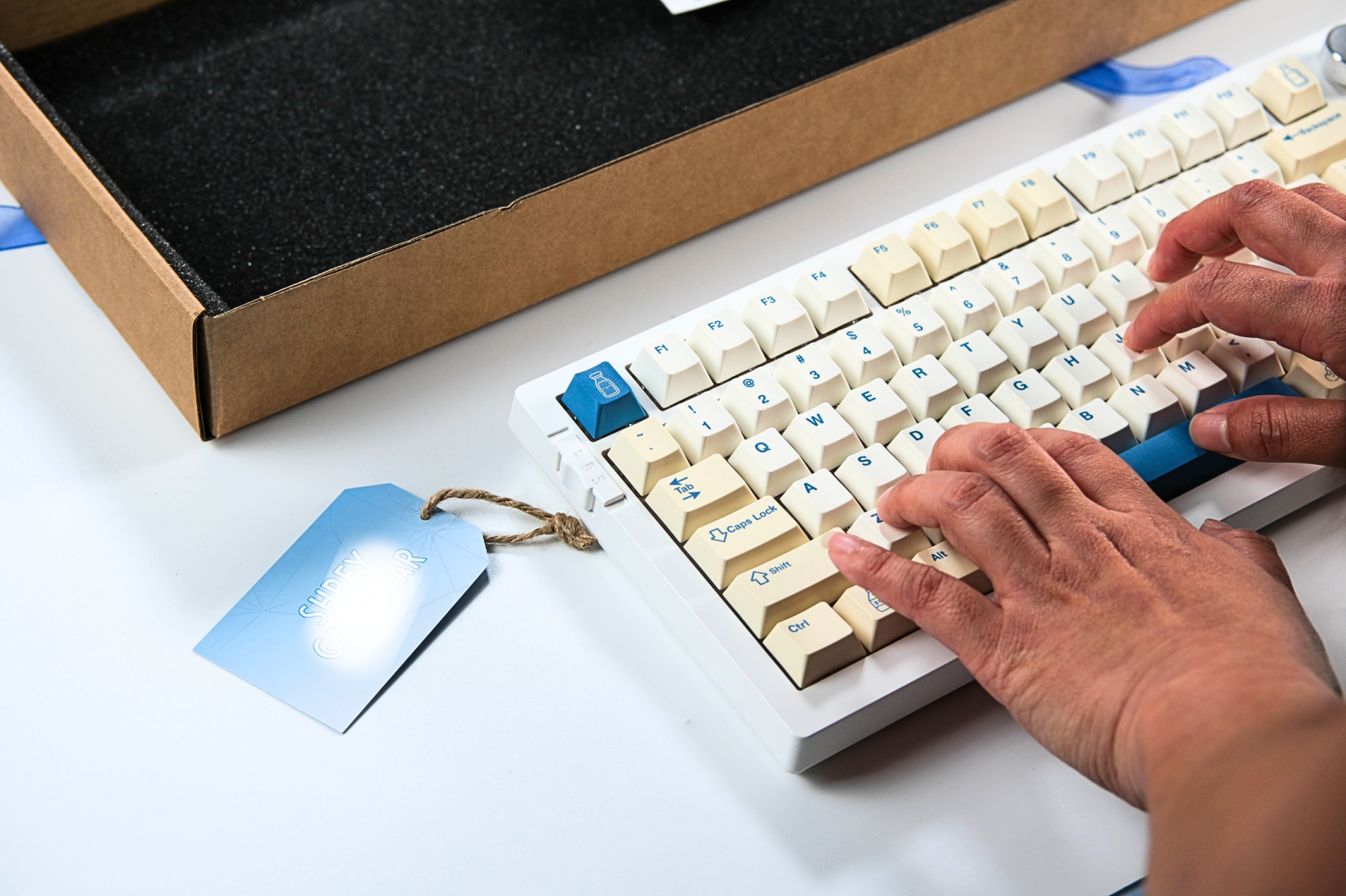
The result was not one product copied repeatedly. It was a controlled system capable of producing different combinations without losing the quality and consistency expected from one company program.
Why Keyboard Preference Is More Than a Colour Choice
A keyboard is one of the most frequently handled objects in a desk-based role. Small differences are experienced repeatedly throughout the day, which makes the choice more personal than it may first appear.
Size Affects the Workspace
Some people want a full number pad. Others prefer a compact board that creates more room for a mouse, notebook or drawing tablet. A frequent traveller may value a smaller footprint, while someone working primarily from one desk may prefer a larger layout with more dedicated keys.
Switches Change the Physical Experience
Switch preference is not only a technical specification. It changes resistance, feedback and sound. Some employees prefer a pronounced tactile response, while others want a smoother or quieter typing experience.
Design Creates a Sense of Ownership
Colour and design do not determine performance, but they do affect whether an object feels selected or simply issued. When employees participate in that decision, the finished keyboard reflects a preference they expressed rather than a guess made on their behalf.
.png)
This does not mean a personalized keyboard will automatically improve performance or engagement. It means the product is better aligned with information supplied by the person who will use it.
The Best Choice Programs Are Not Unlimited
The strongest employee choice programs balance individual preference with organizational control.
Apple’s enterprise guidance recommends giving employees clear choices within a range of products the organization can support. Logitech for Business similarly argues that workspace tools should account for both role-based requirements and personal preferences rather than applying one setup to every employee. Microsoft’s guidance on modern device programs also recommends involving employees in technology selection while segmenting options around different needs (Microsoft Surface).
The common idea is guided choice, not unlimited customization.
For a custom keyboard program, that distinction can be organized into three layers.
1. Keep the Operational Core Fixed
Compatibility requirements, approved product families, quality standards, brand elements, budget, collection deadlines and delivery dates should remain controlled by the organization.
These fixed decisions make the program possible to quote, produce, test and distribute reliably.
2. Open Only the Choices That Matter to the User
Employees do not need to select every component. Too many options increase decision time and create unnecessary production complexity.
A smaller menu can still feel personal when it includes the variables recipients will actually notice, such as two or three keyboard sizes, a curated switch selection and several approved visual directions.
3. Make the Final Handoff Personal
Once several configurations exist, the packaging must clearly connect each product to its recipient. A printed name, configuration label or packing identifier prevents mix-ups while making the delivery feel intentional.
Personalization Changes the Fulfilment Process
Offering choice is the visible part of the program. Managing the information behind it is what determines whether the experience works.
Each response must travel accurately from the selection form to production, quality control, packing and final distribution. A well-run program should therefore include:
- A fixed menu of approved choices
- One structured method for collecting selections
- A clear submission deadline and process for non-responses
- A configuration list that connects each employee to the correct build
- Quality checks covering both the product and its recipient label
- A small plan for replacements, late changes or spare units
.png)
Without this operational layer, customization can easily become a spreadsheet problem. With it, different employee selections can move through one repeatable production system.
What Changed, and What the Project Does Not Prove
The original LinkedIn version of this story said employees would stay longer, work harder and talk about the company because they received a personalized keyboard. That goes beyond the evidence available from this project.
We did not run an employee retention study, measure productivity before and after delivery, or track long-term keyboard usage. A responsible project story should not claim those outcomes.
What we can say is more specific:
- Employees were invited to express a preference instead of receiving one default configuration.
- The choices affected the physical and visual experience of the finished product.
- Each keyboard was produced and packed according to an individual selection.
- Meta maintained one coordinated program rather than sourcing unrelated products for every person.
Those are meaningful changes because they show how personalization can be designed into the process rather than added as a name after the product has already been chosen.
Four Questions to Ask Before Offering Employee Choice
For HR, People Ops, procurement or workplace teams considering a similar program, the planning can begin with four questions:
Which Choices Will Recipients Actually Notice?
Prioritize decisions that affect daily interaction. On a keyboard, size and switch feel will usually matter more than allowing dozens of minor decorative changes.
How Many Combinations Can the Program Support Reliably?
The right number is not the maximum number a supplier can technically produce. It is the number the team can collect, approve, track, pack and distribute without confusion.
What Happens If Someone Does Not Respond?
Set a default configuration and communicate it in advance. This prevents one missing response from delaying the entire order.
How Will Every Product Reach the Correct Person?
Plan the identification system before production begins. Names, employee codes or configuration labels should be treated as fulfillment data, not last-minute decoration.
The Goal Is Relevant Choice, Not Maximum Choice
The Meta keyboard project did not reject standardization. It used standardization differently.
The production framework, quality requirements and delivery process stayed coordinated. Employees were given control only over the decisions that shaped their own experience. Personalized packaging then carried those choices through to the final handoff.
That balance is what makes an employee choice program scalable: standardize what the organization needs to manage, and personalize what the employee will actually experience.
Build an Employee Keyboard Program Around Meaningful Choice
GoblinTechKeys develops custom keyboard programs for employee gifting, onboarding and team initiatives, including curated product options, switch selection, custom keycap design, personalized packaging and coordinated production.
If your team is considering a choice-based program, we can help define a manageable selection system and visualize the options before production begins.
Explore Custom Keyboard Programs

Mission statement isn't a static asset you design once and forget. It is a live promise. In a fast-paced market where users have endless alternatives at their fingertips, authenticity isn't a design aesthetic—it’s the ultimate competitive advantage.
Mission statement isn't a static asset you design once and forget. It is a live promise. In a fast-paced market where users have endless alternatives at their fingertips, authenticity isn't a design aesthetic—it’s the ultimate competitive advantage.
Mission statement isn't a static asset you design once and forget. It is a live promise. In a fast-paced market where users have endless alternatives at their fingertips, authenticity isn't a design aesthetic—it’s the ultimate competitive advantage.
Heading 1
Heading 2
Heading 3
Heading 4
Heading 5
Heading 6
Lorem ipsum dolor sit amet, consectetur adipiscing elit, sed do eiusmod tempor incididunt ut labore et dolore magna aliqua. Ut enim ad minim veniam, quis nostrud exercitation ullamco laboris nisi ut aliquip ex ea commodo consequat. Duis aute irure dolor in reprehenderit in voluptate velit esse cillum dolore eu fugiat nulla pariatur.
Block quote
Ordered list
- Item 1
- Item 2
- Item 3
Unordered list
- Item A
- Item B
- Item C
Bold text
Emphasis
Superscript
Subscript
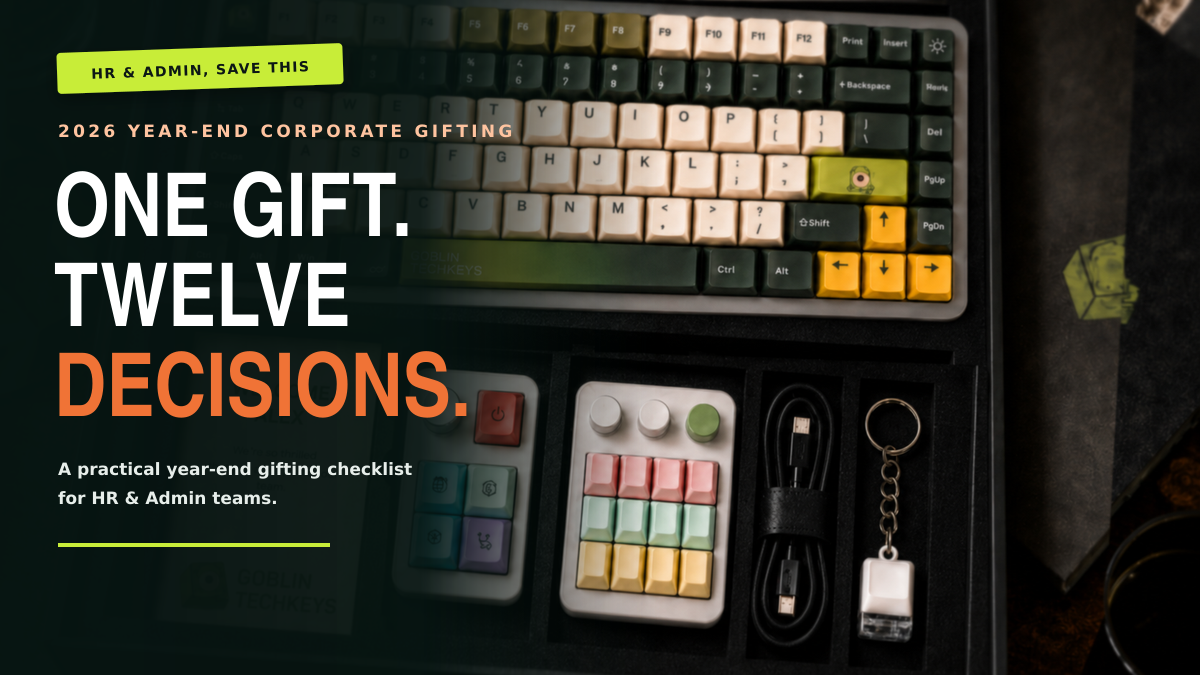
One Gift, Twelve Decisions: The 2026 Year End Corporate Gifting Checklist