
Paid Ads, SEO and Branded Merch: Different Roles, One Brand
Paid ads help people discover you. SEO helps them research their options. Useful branded merchandise gives your brand a physical presence. Here’s how to connect them.

Paid Ads, SEO and Branded Merch: Different Roles, One Brand

Paid ads can help people discover your business. SEO helps them find answers while researching a decision. Branded merchandise gives your brand a physical presence in their everyday lives. Each serves a different purpose, but they can support the same customer journey.
A potential customer might discover your company through an ad, return through a Google search and later meet your team at an event.
To your marketing team, those may be three separate initiatives. To the customer, they are experiences with the same brand.
That is a useful starting point when deciding where branded merchandise belongs in your marketing strategy. It does not need the same budget or priority as paid advertising or SEO. It needs a clear purpose—and a reason for the recipient to care.
Paid advertising helps you reach people and test ideas

Paid advertising gives you a way to put a message in front of a selected audience. It can support a product launch, promote an event or introduce your business to people who have not heard of you.
It also creates an opportunity to learn:
- Which message attracts relevant visitors?
- Which audience responds to your offer?
- What makes someone request a quote or book a meeting?
- Does the landing page answer the questions raised by the ad?
Those answers can inform more than your next campaign. They can help improve your website, sales materials and product positioning.
However, a click is only a starting point. The website, product, sales conversation and customer experience determine what happens next.
An ad might promise an easy way to order custom corporate gifts. If the landing page leaves visitors unsure about quantities, delivery times or customisation options, that interest can quickly disappear.
The job of the ad is to create a relevant opportunity. The experience after the click needs to justify it.
SEO helps customers research with confidence
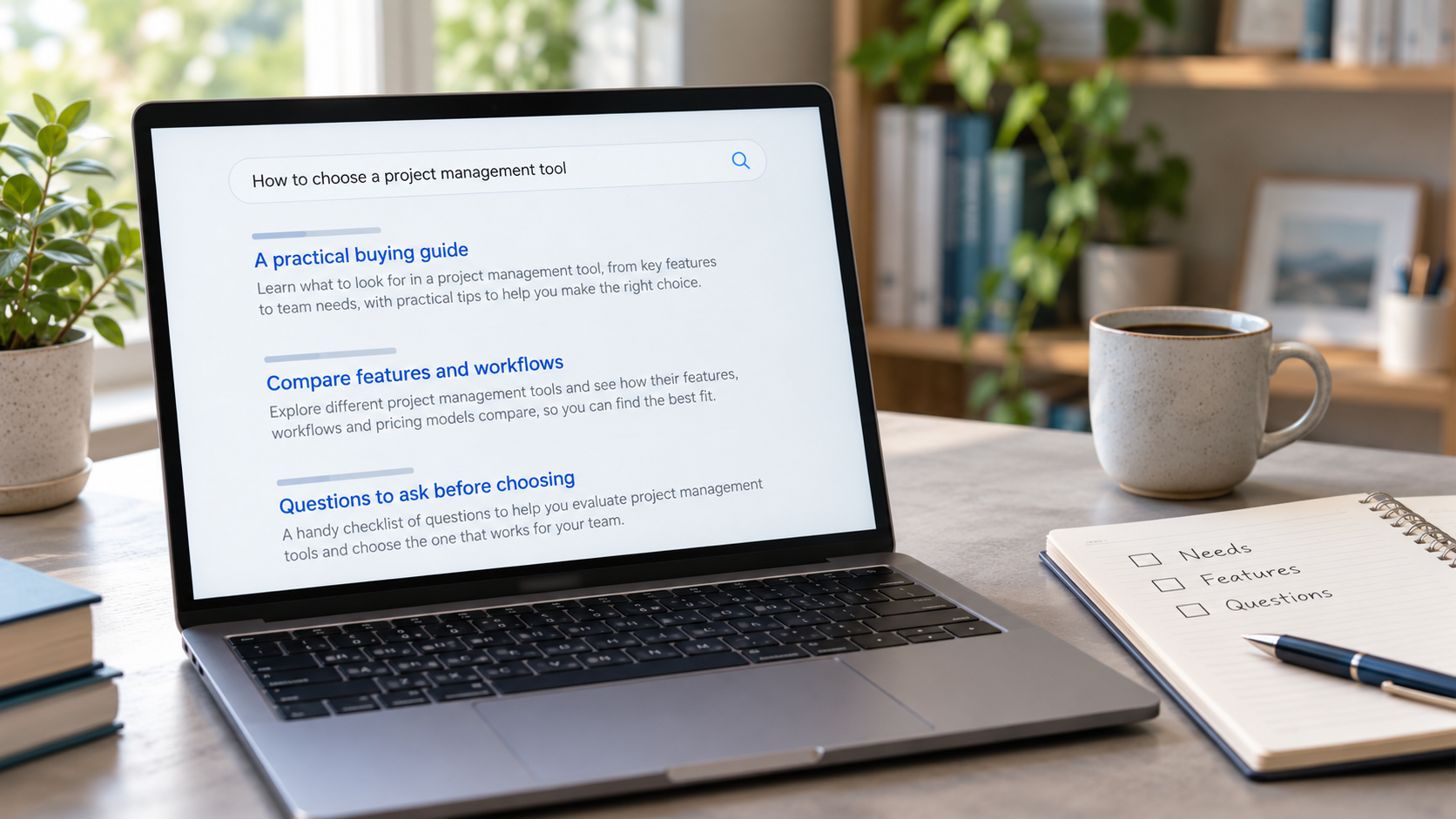
Search engine optimisation, or SEO, helps people discover your website through relevant searches. For a business, its value goes beyond appearing when someone types the company name.
Many searches begin with a practical question:
- What makes a useful gift for a software development team?
- How much do custom branded keyboards cost?
- What is the minimum order quantity for corporate merchandise?
- How early should we order swag for a conference?
A helpful page answers the question clearly and gives the reader enough detail to make a better decision.
That might mean explaining product options, showing a completed project, outlining delivery considerations or describing when a product is unsuitable.
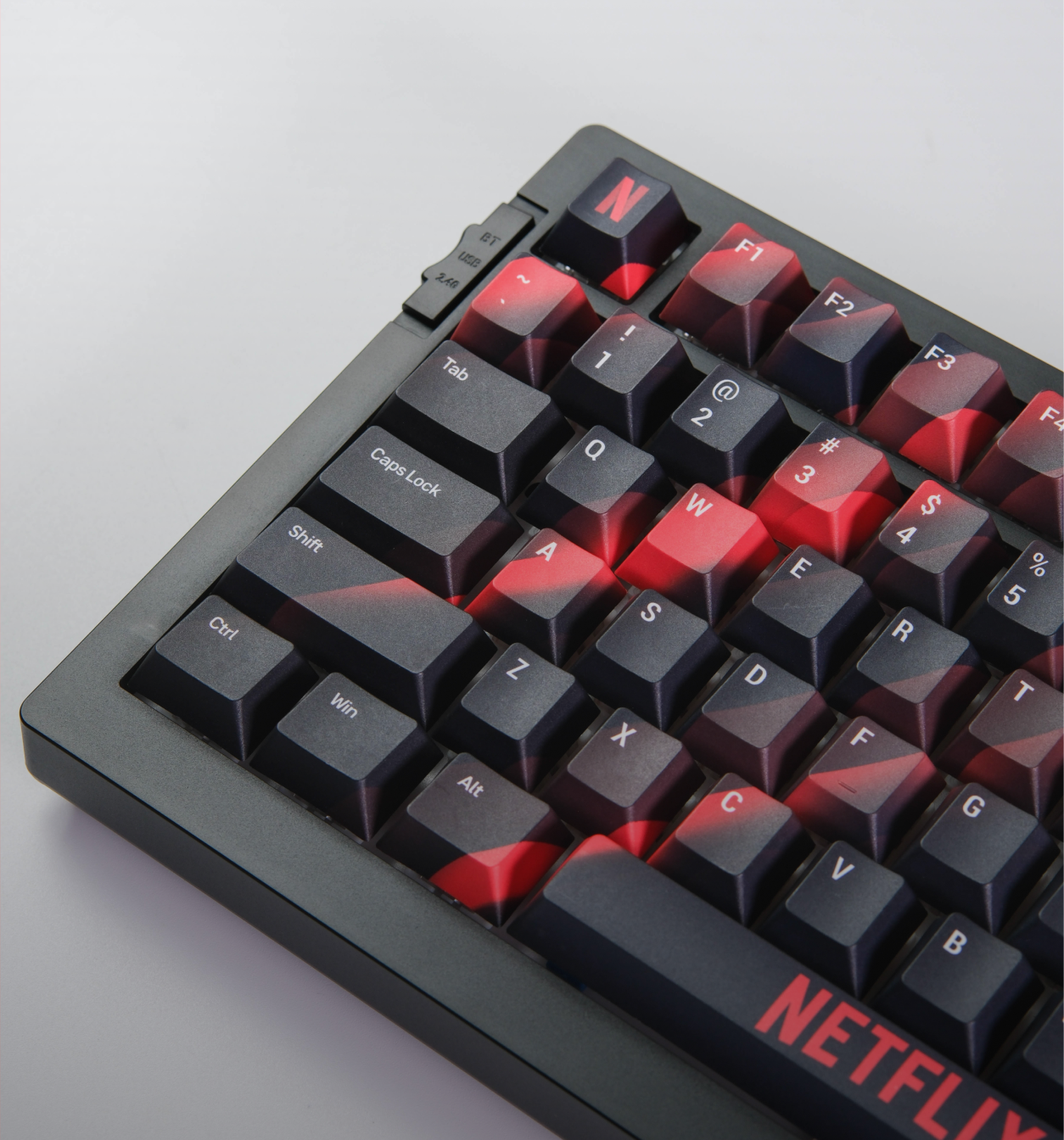
For example, a corporate keyboard buying guide becomes more useful when it discusses layouts, switch noise, connectivity and branding options—not simply how impressive the keyboard looks.
Organic visibility takes work. Content needs expertise, maintenance and a website that people can navigate easily. Traffic alone is also an incomplete measure of success.
The more useful question is whether your content attracts the right people and helps them take a meaningful next step.
Branded merchandise gives your brand a physical presence
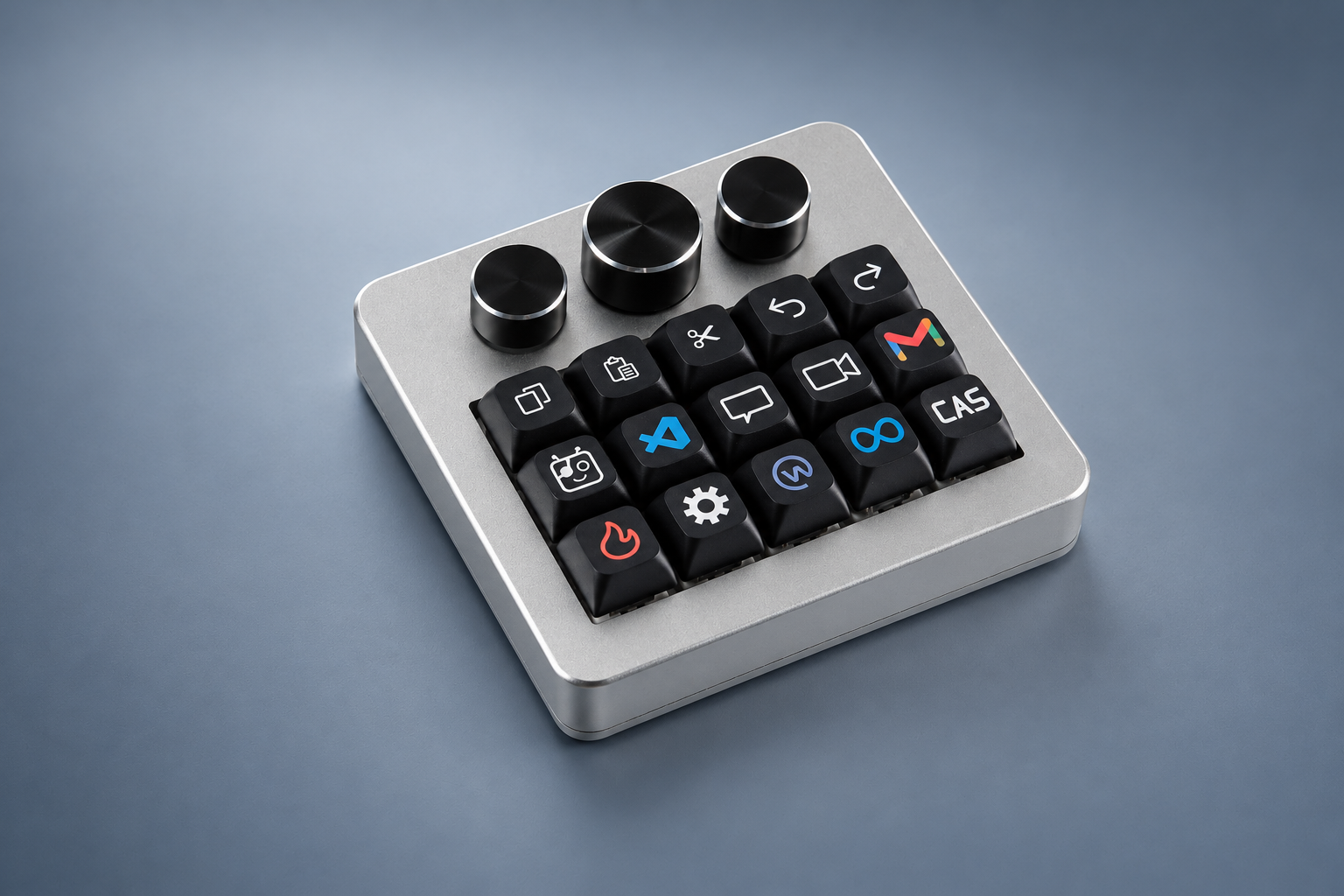
Branded merchandise includes products customised with a company’s identity, such as clothing, drinkware, bags and desk accessories.
Its role is different from an ad or a search result because it enters someone’s physical environment.
A useful item might stay on a desk, travel in a bag or become part of a daily routine. That creates opportunities to encounter the brand beyond a screen.
The important word is useful.
A logo does not automatically make an item worth keeping. The product needs to earn its place through function, design, relevance or personal meaning.
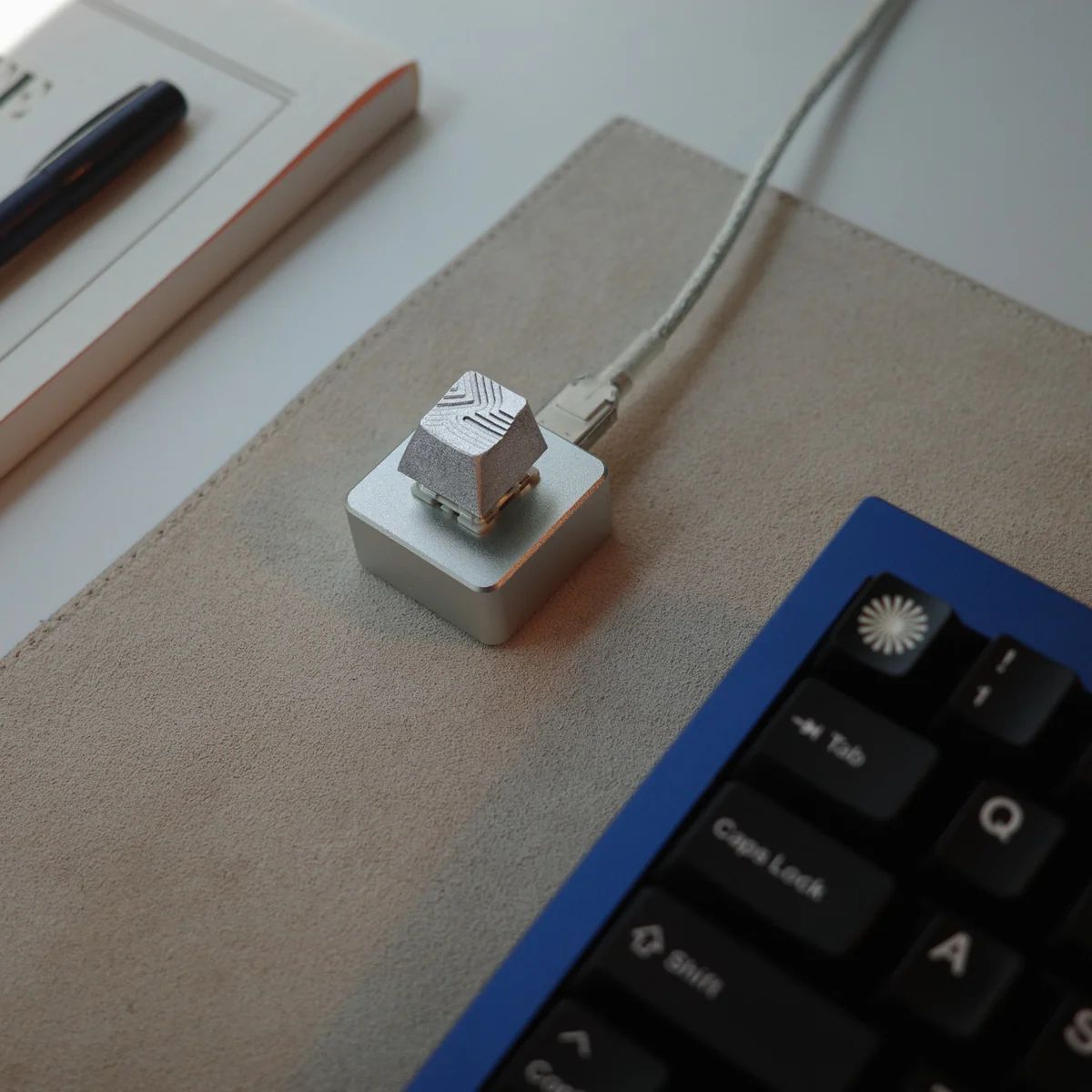
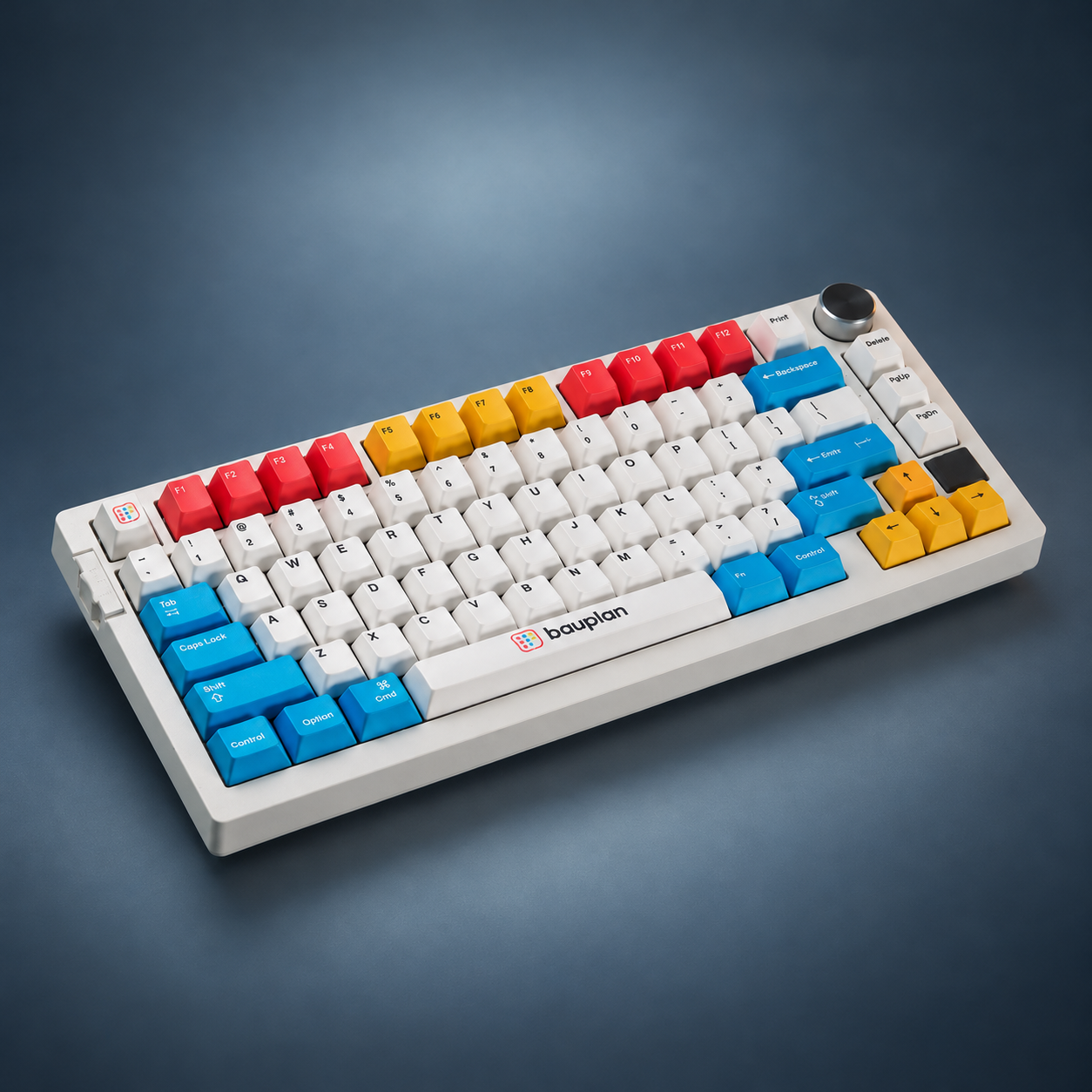
A custom branded keyboard might suit a team that spends much of its day at a computer. A programmable macropad might appeal to someone who regularly uses shortcuts. Neither is automatically the right gift for every audience.
Consider the experience after someone receives it. Is it comfortable to use? Is setup straightforward? Does it suit their workspace? Will they understand what it does?
At Goblintechkeys, our work centres on custom keyboards, macropads and other branded desk products. A useful starting question for these projects is:
“What would this person appreciate receiving—and why would they continue using it?”
That question is more valuable than simply asking where to put the logo.
How paid ads, SEO and merchandise can work together
Imagine a software company attending an industry conference.
Before the event, paid ads could introduce a relevant demo and invite attendees to book a conversation. Searchable content could answer the questions those attendees are researching, such as how the software works or who it is designed for.
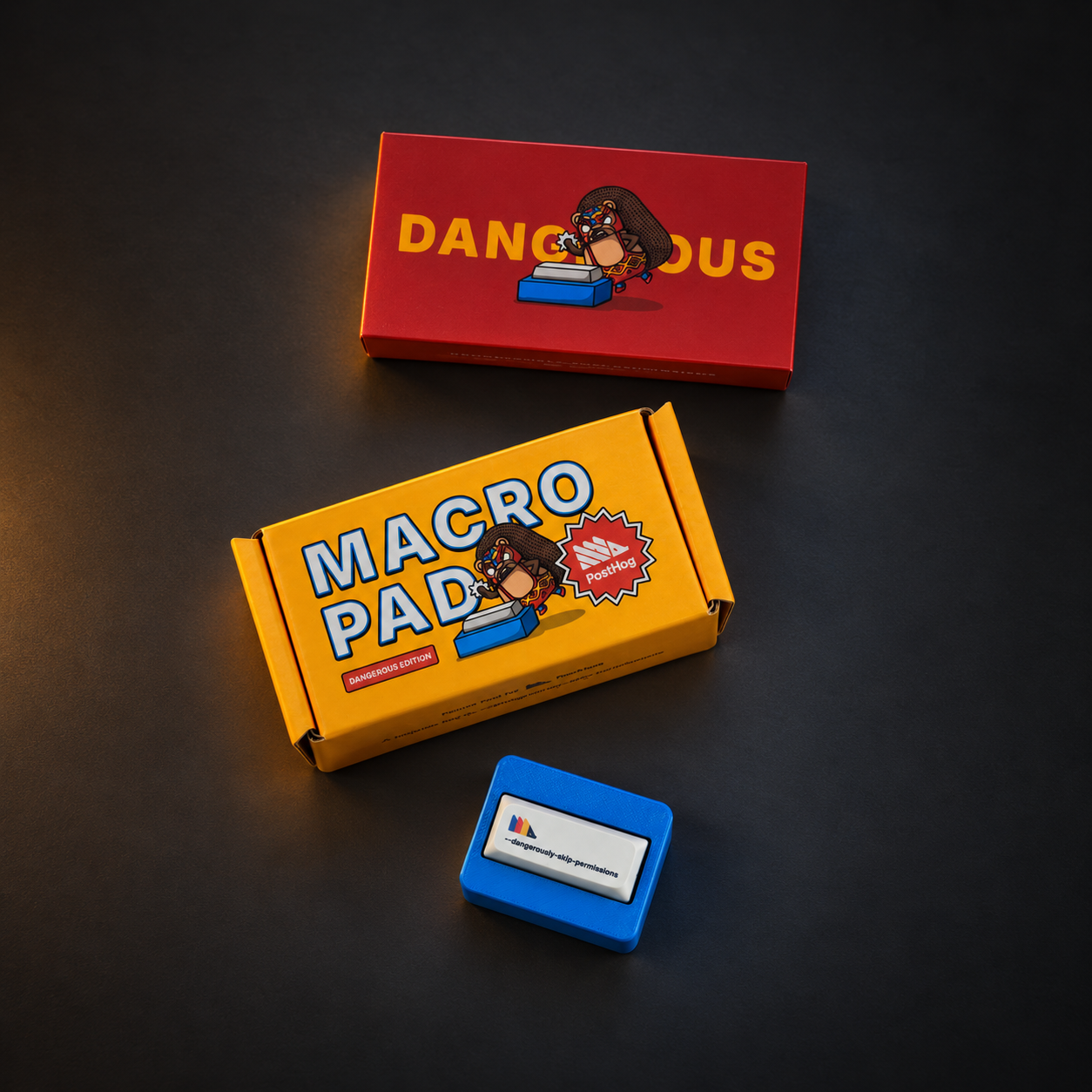
At the booth, the team could demonstrate the product and discuss the visitor’s needs. A thoughtfully chosen gift could accompany that interaction.
Afterward, a follow-up message could share a resource related to the conversation.
Each activity has a clear role:
- The ad introduces an opportunity.
- The content helps someone evaluate it.
- The conversation makes it relevant to their situation.
- The merchandise provides a physical reminder.
- The follow-up gives them a useful next step.
The sequence will not be identical for every customer. Someone may find the content first or meet your team before seeing an ad.
What matters is whether the experiences make sense together. A thoughtful gift cannot compensate for an irrelevant pitch, and a strong ad cannot fix a confusing website.
Four questions to ask before ordering corporate merchandise
1. Who will receive it?
Employees, existing customers and event visitors have different relationships with your business.
An employee welcome gift might support their daily work. A customer appreciation gift might recognise an ongoing partnership. An event giveaway may need to be compact and easy to carry.
Start with the recipient’s situation rather than assuming one product will suit everyone.
2. Why would they keep it?
Consider usefulness, quality and relevance from the recipient’s perspective.
Would the product still be appealing without your logo? Does it solve a small problem, suit an interest or make a routine more enjoyable?
If the only reason to choose it is the space available for branding, reconsider the item.
3. What moment does it support?
Merchandise works best when its purpose is clear.
It might welcome a new employee, thank a customer, mark a milestone or accompany a worthwhile event conversation.
Defining that moment helps you choose the product, packaging and message. It also helps you avoid distributing gifts without a clear reason.
4. What is the full cost?
The unit price is only part of the investment.
Include design, samples, packaging, shipping, applicable duties, storage and distribution. Consider the staff time needed to collect addresses, manage delivery and resolve problems.
A product that looks inexpensive on a quotation may be less economical once it reaches the recipient.
Measure each activity against its purpose
Paid ads, SEO and branded merchandise should not all be judged by the same metric.
For paid advertising, useful measures might include qualified enquiries, cost per qualified lead and customer acquisition cost when sales data is available. Clicks help diagnose a campaign, but they do not establish business value by themselves.
For SEO, look at relevant organic enquiries, conversions and whether important buying questions bring visitors to your website. Rankings and traffic provide context, but neither automatically means the right audience is arriving.
For merchandise, measurement should follow the objective. An event programme might track relevant conversations, agreed follow-ups and subsequent meetings. An employee welcome programme might collect feedback on whether the products were useful and appreciated.
The number of items distributed tells you how much you gave away. It does not tell you how much value you created.
Unique links, QR codes and surveys can provide signals, but each has limitations. A scan shows an interaction. Someone keeping a gift does not prove it caused a sale.
Where practical, compare similar groups with and without the merchandise while keeping other factors as consistent as possible. That can provide a more useful test than crediting every later purchase to the gift.
Decide what your business needs next
There is no universal budget split between paid ads, SEO and corporate merchandise.
A company still refining its offer may benefit more from customer research and clearer messaging. A business with a proven offer may need better ways to reach relevant buyers. A team preparing for an event may need stronger product explanations and a more thoughtful follow-up process.
Merchandise deserves investment when it has a clear role in that plan.
Before your next campaign, ask:
How will people discover us? What will help them trust us? And what will make the experience worth remembering?
Answering those questions gives each part of your marketing a purpose, and helps you build a brand experience that feels connected.

Mission statement isn't a static asset you design once and forget. It is a live promise. In a fast-paced market where users have endless alternatives at their fingertips, authenticity isn't a design aesthetic—it’s the ultimate competitive advantage.
Mission statement isn't a static asset you design once and forget. It is a live promise. In a fast-paced market where users have endless alternatives at their fingertips, authenticity isn't a design aesthetic—it’s the ultimate competitive advantage.
Mission statement isn't a static asset you design once and forget. It is a live promise. In a fast-paced market where users have endless alternatives at their fingertips, authenticity isn't a design aesthetic—it’s the ultimate competitive advantage.